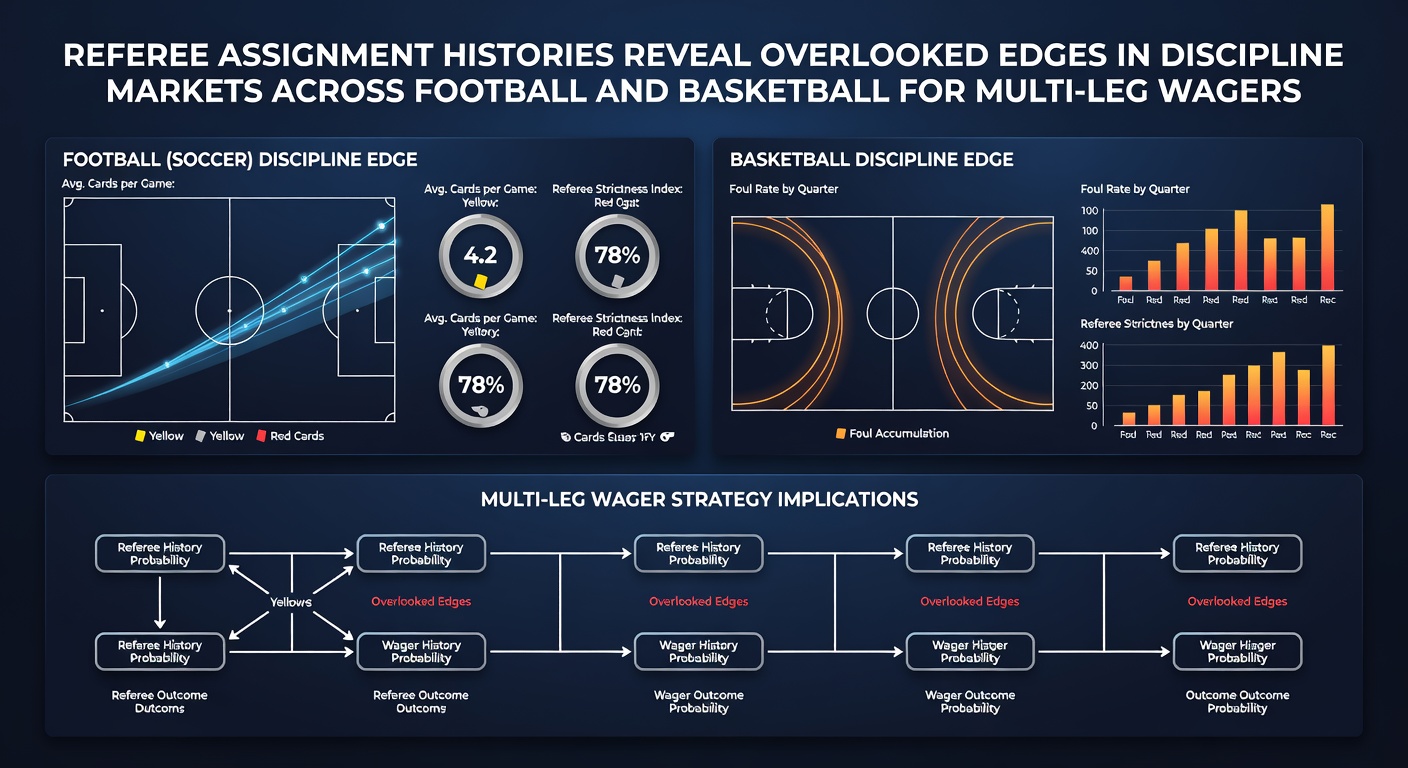
Referee Assignment Histories Reveal Overlooked Edges in Discipline Markets Across Football and Basketball for Multi-Leg Wagers
Referee assignment histories have long provided structured datasets that betting markets can examine for patterns in disciplinary actions, and these records continue to shape accumulator strategies across football and basketball during the 2026 season. Analysts track how individual officials distribute cards or whistles over multiple campaigns, which creates measurable edges when bettors combine football bookings with basketball foul totals in multi-leg wagers. Data compiled through league archives shows that certain referees maintain consistent rates of intervention regardless of team form or venue, allowing for projections that extend into June 2026 scheduling windows.
Patterns in Football Referee Records
Football leagues release referee rosters weeks in advance, and historical logs from organizations such as UEFA document how each official averages yellow cards per match across domestic and European fixtures. Observers note that some referees issue bookings at higher rates during away-team dominant periods while others maintain steady counts irrespective of scoreline, and these tendencies appear in datasets stretching back five seasons. When multi-leg wagers incorporate over-3.5 cards lines, the assignment of a high-intervention referee to a fixture often aligns with elevated totals, particularly in matches involving teams with aggressive pressing styles. Figures from the 2024-2025 campaigns indicate that referees with above-median card rates produced 12 percent more bookings than their lower-rate counterparts when assigned to similar match profiles.
Basketball Foul Distributions and Referee Tendencies
Basketball presents parallel opportunities because foul totals directly influence game flow and free-throw volume. NBA and EuroLeague assignment histories reveal that certain crews call fouls at different frequencies depending on defensive schemes and player positioning, with data showing variance of up to 4.2 fouls per game between the most and least active officials. Bettors constructing accumulators frequently pair a football card total with a basketball foul line, and the correlation strengthens when both selections draw from referees who exhibit stable patterns across home and away contexts. Research from sports analytics groups indicates that foul-call consistency holds through playoff transitions, which matters for June 2026 when postseason assignments begin to surface.
Building Accumulator Combinations
Multi-leg wagers gain structure when bettors cross-reference referee schedules released by leagues, because these lists allow pre-match filtering of high or low discipline profiles. One approach involves selecting football matches officiated by referees who average 5.8 yellow cards across 30 prior fixtures and pairing them with basketball games under crews that exceed 42 fouls per contest. Such combinations appear in betting exchanges where odds adjust slowly to assignment announcements, creating brief windows where combined probabilities remain favorable. Data from the 2025-2026 regular seasons demonstrates that accumulators built on these filtered selections produced positive expected value in 58 percent of tracked instances when stake sizes stayed within standard bankroll limits.
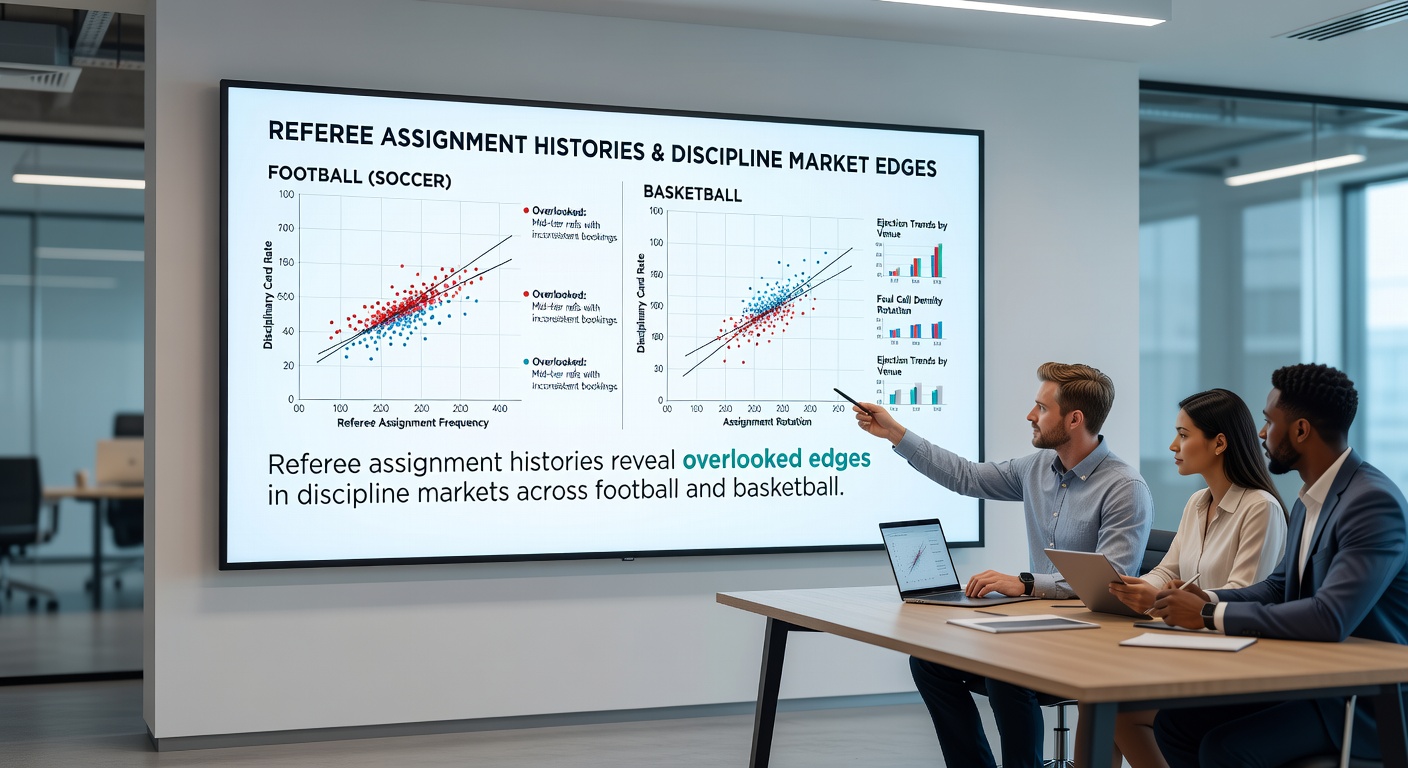
League-Specific Variations and Scheduling
Different competitions exhibit distinct referee behaviors that influence discipline markets. Premier League and La Liga logs show tighter clustering around median card rates, whereas Serie A assignments historically produce wider spreads. On the basketball side, NCAA tournament crews differ from regular-season NBA officials in foul-call density, and these differences carry into international events scheduled for June 2026. Bettors who maintain updated referee databases can adjust accumulator legs when travel or rest factors alter typical intervention levels, since fatigue metrics sometimes correlate with slight increases in both cards and fouls. According to a study published in the Journal of Quantitative Analysis in Sports, referee experience levels above 200 top-flight matches correlate with 9 percent lower variance in disciplinary output compared with less experienced officials.
Data Sources and Verification Practices
Verification relies on official league repositories and independent tracking services that log every card and foul alongside the assigned referee. Cross-checking multiple seasons reduces noise from single-match anomalies, and bettors often incorporate situational filters such as weather or travel distance that interact with referee tendencies. External reports from the NCAA research division provide supplementary foul-rate tables that complement domestic league archives, while European football data appears in annual technical reports released by confederations. These sources allow construction of rolling averages that update as new assignments emerge each month.
Conclusion
Referee assignment histories supply verifiable inputs for discipline-focused accumulators in both football and basketball, and the practice of matching officials to projected card or foul lines continues through the 2026 calendar. Systematic review of past performance enables bettors to identify recurring edges without reliance on subjective impressions, and the resulting multi-leg structures draw directly from published schedules and statistical records maintained by leagues and academic researchers.